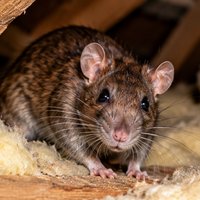
A loft gives rats warmth, shelter, and — if there's anything stored up there — nesting material, all with very little chance of being disturbed.
Rats are capable climbers and will use pipework, cabling or overhanging branches to reach roofline gaps at the eaves, or climb an external wall to a damaged section of roofing felt or a gap around a soil pipe.
Gnawed insulation, damaged water tanks, and — the one that matters most — chewed electrical cabling, which is a genuine fire risk and one of the reasons a loft rat problem shouldn't be left.
We target the loft directly, then work out exactly how the rats reached it so that entry point can be closed — because a loft that's been accessed once will keep being used until that route is shut.
Beyond the immediate cost of replacing chewed or soiled insulation, damaged loft insulation reduces how well the house holds heat — meaning a rat problem left unresolved can quietly add to energy bills long after the noise overhead has stopped.
If you do go up to look, stick to boarded areas or joists, use a good torch, and avoid disturbing droppings or nesting material directly — they can carry bacteria. If you're not confident moving around a loft safely, it's not worth the risk; describe what you've heard or seen from the hatch instead and let a technician do the rest.
You can look from the hatch, but avoid disturbing droppings or nesting material directly, and don't move around unboarded loft areas without proper footing.
They can, particularly if there's an accessible route down through wall cavities or service risers — another reason to deal with a loft problem promptly.
A single visit is often enough to begin treatment, with a follow-up to confirm activity has stopped and to complete any proofing needed.
Tell us what you're seeing and where, and we'll get back to you with a clear price.
 Rats