Rat-proofing means closing every route in, not just the one you happened to find. Done properly it's a one-off job — done partially, it just moves the problem to a different gap.
Before anything gets sealed, every side of the property needs checking — roofline, air bricks, pipe penetrations, drains, and the base of external walls. Missing one route undoes the rest of the work.
Air bricks and vents need a rat-proof mesh that still lets air through. Pipe and cable gaps get sealed properly rather than stuffed with a temporary filler. Door thresholds get a proofing brush strip where the gap is too big to close outright.
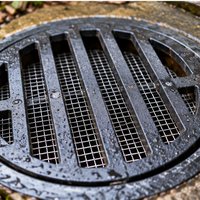
External proofing does nothing for a drain that a rat can swim up. If drains are a possible route in, a one-way rat blocker needs fitting alongside the rest of the proofing work — see our page on drain rat proofing.
A typical house takes a technician somewhere between two and four hours, depending on how many entry points are found and how accessible they are. Larger or older properties with more roofline detail, outbuildings or a suspended floor throughout can take longer — we'll always give you a realistic estimate once the survey's done.
A common worry is that proofing will block ventilation the building actually needs. It shouldn't — mesh fitted over air bricks and vents is chosen specifically to keep airflow moving while stopping rats getting through, so a subfloor void or roof space stays as dry and well-ventilated as it was before.
Some smaller gaps can be sealed with the right materials, but a full proofing job depends on correctly identifying every entry point first — which is where most DIY attempts fall short.
Done properly, no — the materials used are chosen to maintain airflow through vents and air bricks rather than block it off.
Correctly fitted proofing is a long-term fix, though it's worth an occasional check after any building or drainage work nearby, since new gaps can open up over time.
Tell us what you're seeing and where, and we'll get back to you with a clear price.
 Rats